Introduction
The oil and gas industry is pivotal to the global economy, providing energy and resources essential for modern life. However, the extraction and processing of these resources come with inherent risks, making safety inspections a critical component of operations. This article delves into the advancements in safety inspection technologies within the oil and gas sector, focusing on how these innovations can enhance accuracy and efficiency.
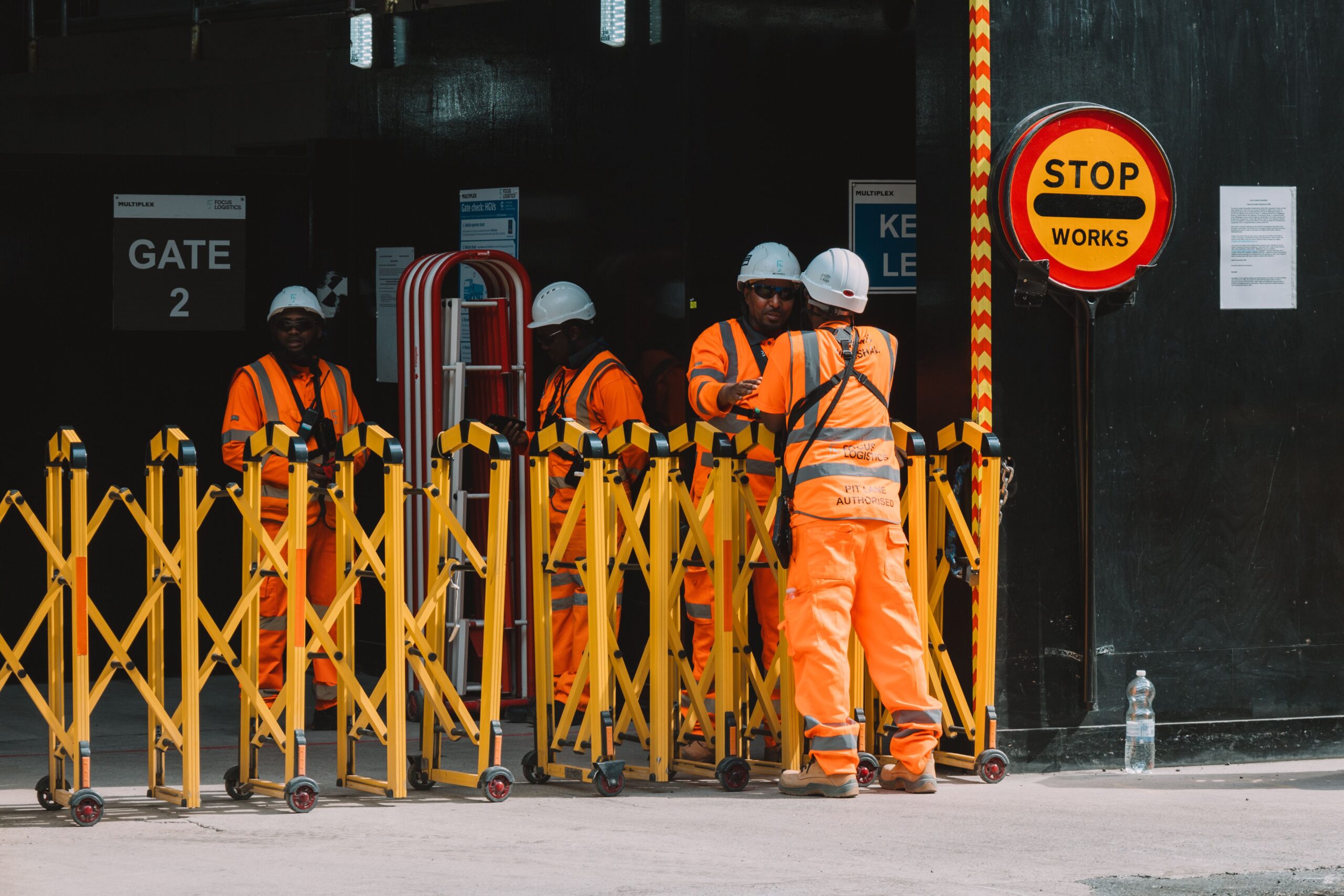
Oil & Gas Safety Inspections are essential for ensuring the integrity and safety of operations in the industry.
In the context of safety inspections, accuracy refers to the precise identification of potential hazards, while efficiency pertains to the ability to conduct inspections quickly and effectively. With a growing emphasis on safety and regulatory compliance, the integration of advanced technologies has become indispensable. This discussion aims to explore the current challenges faced by the industry and how embracing innovative solutions can lead to significant improvements.
Implementing effective Oil & Gas Safety Inspections can significantly reduce the risks associated with extraction processes.
Current Challenges in Oil & Gas Safety Inspections
Traditional Inspection Methods
Historically, safety inspections in the oil and gas industry have relied heavily on manual processes. Inspectors often conduct onsite evaluations utilizing checklists and visual assessments to identify potential hazards. While this approach has its merits, it poses several challenges. Manual inspections can be labor-intensive, leading to potential human error and oversight of critical safety issues. Furthermore, these inspections often require significant downtime, interrupting operations and potentially leading to financial losses.
Regular Oil & Gas Safety Inspections help identify potential hazards before they escalate into serious incidents.
Additionally, traditional methods can struggle with thorough data collection. Inspectors may miss out on capturing comprehensive data about equipment conditions and potential risks due to limitations in time and physical access to certain areas. This lack of exhaustive documentation can hinder the ability to analyze trends or predict failures, further escalating safety risks.
By enhancing Oil & Gas Safety Inspections, companies can improve their overall safety culture and compliance.
Limitations of Conventional Technologies
While some conventional technologies like infrared cameras and heat sensors have been utilized for safety inspections, they often have limitations related to scope and data integration. For instance, infrared cameras can detect heat anomalies but may not provide insights into structural integrity or environmental conditions. Moreover, these tools frequently operate in isolation, making it challenging to compile data into a centralized system for analysis.
Technological advancements in Oil & Gas Safety Inspections are helping to overcome traditional limitations.
The reliance on outdated technologies can lead to inefficiencies and increased risk. As operations scale and environments become more complex, adhering to traditional methodologies may no longer suffice. Consequently, there is a pressing need for innovative solutions that can address these shortcomings and elevate the standards of safety inspections in the industry.
Investments in Oil & Gas Safety Inspections can lead to improved operational efficiencies and reduced costs.
Video Credits – Rajeev Kunchan Channel & YouTube
Emerging Technologies in Oil & Gas Safety Inspections
Drone Technology
Drone technology has emerged as a game-changer in the oil and gas sector, transforming how safety inspections are conducted. Drones equipped with high-resolution cameras and sensors can easily access hard-to-reach areas, allowing inspectors to gather data without the need for scaffolding or other cumbersome setups. This capability not only enhances the efficiency of inspections but also significantly reduces safety risks to personnel.
Integrating drones into Oil & Gas Safety Inspections allows for unprecedented access to difficult locations.
Furthermore, drones can collect vast amounts of data quickly, enabling more frequent inspections and more proactive risk management. By providing real-time visuals and analytics, drones facilitate rapid decision-making, allowing companies to address potential hazards before they escalate into significant issues.
Artificial Intelligence and Machine Learning
Artificial intelligence (AI) and machine learning (ML) technologies are increasingly being integrated into safety inspections. By analyzing historical inspection data, AI algorithms can identify patterns and predict potential equipment failures, thereby enhancing preventive maintenance efforts. This predictive capability helps organizations allocate resources more effectively and minimize downtime.
AI-driven insights from Oil & Gas Safety Inspections can help reduce equipment failures significantly.
Additionally, AI can assist inspectors by automating data analysis and generating insights from inspection reports. By reducing the manual workload, inspectors can focus on more critical tasks, ensuring a higher degree of accuracy and thoroughness in their evaluations.
Wearable Safety Devices
Wearable safety devices, such as smart helmets and vests equipped with sensors, are revolutionizing safety inspections in the oil and gas industry. These devices can monitor various environmental conditions, such as gas exposure, temperature, and worker vitals, providing real-time data to safety personnel. In the event of hazardous conditions, alerts can be triggered immediately, allowing for swift action to mitigate risks.
Real-time data from wearable devices informs Oil & Gas Safety Inspections, ensuring timely interventions.
Moreover, the data collected from wearable devices can be integrated into broader safety management systems, enhancing overall situational awareness and enabling companies to track compliance with safety protocols. This integration fosters a culture of safety and accountability within organizations.
Internet of Things (IoT) Sensors
The Internet of Things (IoT) serves as a foundational technology that enables the continuous monitoring of equipment and environments through interconnected sensors. In the oil and gas sector, IoT sensors can monitor pipeline integrity, detect leaks, and assess environmental conditions in real-time. This constant vigilance allows for immediate response to any anomalies, significantly reducing the likelihood of accidents.
Utilizing IoT technology in Oil & Gas Safety Inspections leads to proactive hazard management.
Furthermore, the data generated by IoT sensors can enhance predictive maintenance practices. By identifying wear and tear before it leads to failures, companies can schedule maintenance proactively, saving costs and ensuring operational safety. As such, IoT technology is instrumental in fostering a more resilient and responsive safety inspection framework.
Benefits of Advanced Technologies
Enhanced Data Collection and Analysis
One of the primary benefits of integrating advanced technologies into oil and gas safety inspections is the improved data collection and analysis capabilities. With drones, wearable devices, and IoT sensors, organizations can gather extensive datasets that were previously unattainable through manual methods. This wealth of information enhances the ability to analyze trends, identify risks, and make data-driven decisions.
Advanced data analysis during Oil & Gas Safety Inspections contributes to identifying hidden risks.
For example, the use of AI algorithms to process inspection data allows for the identification of hidden patterns and correlations that may not be immediately apparent to human inspectors. This analytical prowess enables companies to develop more effective safety strategies and allocate resources more efficiently, ultimately leading to a safer operating environment.
Organizations benefit from enhanced safety strategies by conducting thorough Oil & Gas Safety Inspections.
Real-time Monitoring and Reporting
Advanced technologies facilitate real-time monitoring and reporting, which are critical in today’s fast-paced oil and gas industry. Drones can provide live feeds of inspections, while IoT sensors continuously relay data regarding equipment conditions. This immediacy ensures that potential hazards are identified quickly, allowing for rapid response and mitigation efforts.
Real-time reporting from Oil & Gas Safety Inspections fosters better communication among teams.
Moreover, real-time reporting can enhance communication within organizations. Safety personnel, management, and field workers can access the same information simultaneously, fostering collaboration and ensuring that everyone is aligned on safety protocols and incidents. This transparency enhances accountability and reinforces a culture of safety within the organization.
Timely data from Oil & Gas Safety Inspections accelerates response to potential safety issues.
Improved Risk Assessment
Utilizing advanced technologies for safety inspections enhances the overall risk assessment processes in the oil and gas sector. By leveraging data collected through innovative tools, organizations can conduct comprehensive risk analyses that consider multiple factors, including historical trends and predictive indicators. This holistic view enables more accurate identification of potential hazards and risks, allowing for more informed decision-making.
Comprehensive risk assessments stem from effective Oil & Gas Safety Inspections and data analysis.
Additionally, the predictive capabilities of AI and machine learning can assist in assessing the likelihood of various risk scenarios, providing organizations with the tools to prioritize safety measures effectively. By understanding and evaluating potential risks proactively, companies can implement targeted safety strategies that mitigate the likelihood of incidents.
Proactive strategies informed by Oil & Gas Safety Inspections can drastically reduce incident likelihood.
Cost Efficiency and Resource Management
Integrating advanced technologies into safety inspections can lead to significant cost savings and optimized resource management. The enhanced efficiency of inspections reduces downtime and labor costs, while the predictive maintenance capabilities of AI and IoT can minimize equipment failures and associated repair costs.
Cost efficiency achieved through Oil & Gas Safety Inspections allows for optimized resource allocation.
Furthermore, improved risk assessment and data-driven decision-making allow companies to allocate resources more effectively. By focusing on high-risk areas and prioritizing critical equipment, organizations can ensure that their safety investments yield maximum returns, ultimately enhancing overall operational performance.
Prioritizing safety through Oil & Gas Safety Inspections ensures that investments yield significant returns.
Case Studies and Success Stories
Implementation of Drones in Safety Inspections
Several oil and gas companies have successfully implemented drone technology to revolutionize their safety inspection processes. For instance, a leading North American oil producer utilized drones to conduct aerial inspections of pipelines and storage facilities. The company reported a significant reduction in inspection time—from several days to just a few hours—while simultaneously increasing the accuracy of identifying potential leaks and structural issues.
Using drones for Oil & Gas Safety Inspections has proven to enhance the accuracy of hazard detection.
By integrating drone data with their existing management systems, the company could generate comprehensive reports and analyses that informed their maintenance strategies. The successful deployment of drones not only improved safety outcomes but also demonstrated the potential for scaling this technology across their operations.
The integration of drone data into Oil & Gas Safety Inspections has facilitated comprehensive analysis.
AI-Driven Analytics in Predictive Maintenance
Another compelling case study involves a global oil and gas company that leveraged AI-driven analytics for predictive maintenance. By analyzing historical maintenance records and real-time sensor data, the company developed an AI model capable of predicting equipment failures with remarkable accuracy.
AI-driven maintenance schedules based on Oil & Gas Safety Inspections significantly reduce downtime.
This predictive approach allowed the organization to schedule maintenance activities proactively, thereby reducing unplanned downtime and optimizing maintenance budgets. As a result, the company not only improved safety but also realized significant cost savings, demonstrating the tangible benefits of embracing advanced technologies in their operations.
The benefits of using AI in Oil & Gas Safety Inspections extend to cost savings and resource efficiency.
Best Practices for Implementation
Training and Skill Development
To maximize the benefits of advanced technologies in safety inspections, organizations must invest in training and skill development for their personnel. As new tools and methodologies are introduced, it is essential that employees are equipped with the knowledge and skills necessary to leverage these technologies effectively. This includes training on drone operation, data analytics, and the interpretation of IoT sensor data.
Regular training ensures workers are knowledgeable about the latest Oil & Gas Safety Inspections technologies.
Furthermore, fostering a mindset of continuous learning is crucial for adapting to emerging technologies and industry standards. Regular workshops, certification programs, and knowledge-sharing sessions can enhance the skill sets of safety personnel, ensuring that they remain proficient in utilizing advanced inspection technologies.
Integration with Existing Systems
Successful implementation of advanced technologies necessitates seamless integration with existing safety management systems. Organizations should evaluate their current processes and technologies to identify opportunities for integration. This may involve upgrading software solutions, ensuring compatibility between devices, and establishing protocols for data sharing across platforms.
Ensuring compatibility in systems used for Oil & Gas Safety Inspections is crucial for maximizing results.
By creating a cohesive system that incorporates both traditional and advanced inspection methodologies, organizations can enhance the overall effectiveness of their safety inspections. This integration enables data-driven decision-making and fosters a holistic approach to safety management that leverages the strengths of all available tools.
Regulatory Compliance and Standards
As the oil and gas industry is subject to stringent regulatory requirements, ensuring compliance is paramount when implementing new technologies. Organizations must stay informed about relevant regulations and standards governing safety inspections, including environmental considerations and worker safety. This knowledge is essential for designing inspection protocols that align with regulatory expectations.
Engaging with regulatory bodies enhances the standards of Oil & Gas Safety Inspections across the industry.
Additionally, collaborating with regulatory bodies and industry associations can provide valuable insights into best practices and emerging trends. By proactively engaging with these stakeholders, organizations can enhance their credibility and demonstrate their commitment to safety and compliance in their operations.
Future Trends in Oil & Gas Safety Inspections
Advancements in Technology
The future of safety inspections in the oil and gas sector is poised for significant advancements, driven by continued innovations in technology. Emerging trends, such as the development of autonomous drones, enhanced AI algorithms, and advanced sensor technologies, will further transform how inspections are conducted. These advancements will likely lead to higher accuracy, greater efficiency, and more comprehensive risk assessments.
The future of Oil & Gas Safety Inspections will be shaped by ongoing advancements in technology.
Moreover, as technologies evolve, organizations will increasingly leverage big data analytics to enhance their safety management practices. The ability to analyze vast amounts of data from diverse sources will provide insights that drive proactive maintenance strategies and improve overall safety outcomes.
Big data analytics will play an essential role in the future of Oil & Gas Safety Inspections.
Impact of Regulatory Changes
The oil and gas industry will also see changes in regulatory frameworks aimed at enhancing safety and environmental protection. As governments and regulatory bodies respond to industry challenges and public concerns, companies will need to stay abreast of these changes and adapt their safety inspection protocols accordingly. This may entail adopting new technologies that facilitate compliance or revising existing processes to align with updated regulations.
Adjusting to regulatory changes will impact how Oil & Gas Safety Inspections are performed in the future.
By anticipating regulatory shifts and proactively adjusting their safety strategies, organizations can not only ensure compliance but also position themselves as leaders in safe and responsible operations within the oil and gas sector.
Proactive adjustments in Oil & Gas Safety Inspections will solidify a company’s status as a safety leader.
Conclusion
Summary of Key Points
In summary, the integration of advanced technologies in oil and gas safety inspections offers a transformative approach to enhancing accuracy and efficiency. The challenges posed by traditional methods underscore the need for innovation across the sector. Emerging technologies, including drone technology, AI and machine learning, wearable safety devices, and IoT sensors, are revolutionizing how inspections are conducted, offering benefits such as improved data collection, real-time monitoring, and cost efficiency.
The integration of advanced technologies in Oil & Gas Safety Inspections signifies a major shift in operational practices.
Case studies demonstrating successful implementations provide compelling evidence of the positive impact of these technologies on safety outcomes and organizational performance. By following best practices for training, integration, and regulatory compliance, companies can harness the full potential of advanced technologies to foster a culture of safety and accountability.
Overall, investing in Oil & Gas Safety Inspections will foster a culture of safety and accountability.
FAQs
What are the main challenges of traditional safety inspections in the oil and gas industry? Traditional safety inspections often involve manual processes that can be time-consuming and prone to human error. They may also lack thorough data collection and analysis capabilities, leading to overlooked risks.
How do drones improve safety inspections? Drones provide quick access to hard-to-reach areas, allowing for faster inspections and real-time data collection. They enhance the accuracy of hazard identification and reduce the need for manual labor in risky environments.
What role does AI play in oil and gas safety inspections? AI analyzes historical and real-time data to predict equipment failures and assess risks. This predictive capability enhances maintenance strategies and improves overall safety management.
Why are wearable safety devices important? Wearable safety devices monitor environmental conditions and worker health, providing real-time alerts in case of hazardous situations. They contribute to overall safety by enhancing situational awareness.
What future trends can we expect in oil and gas safety inspections? Future trends include advancements in autonomous drones, enhanced AI analytics, and increased reliance on big data for risk assessment and decision-making. Regulatory changes will also influence how inspections are conducted.
Important Links