OSHA Compliance & Support | Safety Inspections – Safety Audits | Cost-Effective Safety Consulting

Online Cartridge Respirator Training — OSHA 1910.134

$24.95

~30 minutes English & Spanish Instant printable certificate

Respiratory Protection (29 CFR 1910.134) is one of OSHA's five most-cited standards year after year — and the most common violation is employees using respirators without required training and evaluation. Our cartridge respirator training online delivers the classroom instruction OSHA requires: how air-purifying respirators work, when they can and cannot be used, seal checks, cleaning, inspection, and storage. Typical duration: 30–40 minutes, followed by a written test.

🫁 Cartridge respirators protect only in non-IDLH atmospheres with at least 19.5% oxygen — this course teaches your workers the limits that keep them alive, not just the steps to put one on.
  • Delivers the employee training element of OSHA 29 CFR 1910.134(k)
  • Covers facepieces, valves, filters, and gas/particulate cartridges
  • Accepted in all states — 100% online course
  • Instant, printable Certificate of Completion
Certify Your Team Today. — Get Cartridge Respirator Safety and OSHA Compliant

#5

Respiratory Protection's rank among OSHA's most-cited standards in FY 2025, with 1,953 citations
Source: OSHA FY2025 enforcement data

#1

most common 1910.134 violation: no medical evaluation for employees required to wear respirators
Source: OSHA enforcement data

19.5%

minimum oxygen level for cartridge (air-purifying) respirator use — below that, supplied air is required
Source: 29 CFR 1910.134
The Process

How It Works

Complete the online course at your own pace, pass the written test, and download your Certificate of Completion immediately.

STEP 1

Enroll & Start Your Online Course

  • Purchase the course and get instant access.
  • No prior cartridge respirator experience needed.
  • Learn OSHA safety rules, hazard recognition, and compliance requirements — all online.
  • This online course covers the formal instruction portion.

STEP 2

Complete the Course & Download Your Certificate

  • Study at your own pace and pass the online test.
  • Retake the test as many times as you need at no extra charge.
  • Immediately download and print your Certificate of Completion.

STEP 3

Medical Evaluation & Fit Test With Your Employer

  • Your employer completes the other two 1910.134 elements: medical evaluation and fit testing on your assigned respirator.
  • Together with this training, that completes OSHA's respiratory protection requirements for wearers.

The Risk Is Real

Why Respirator Training Matters

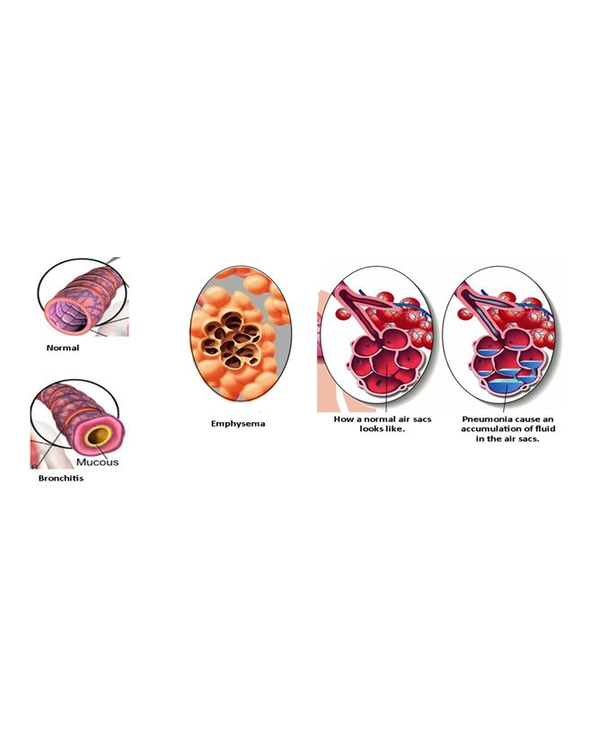
A respirator only protects when the right cartridge is matched to the hazard, the facepiece seals to the face, and the wearer knows the warning signs of breakthrough. Get any of those wrong and the worker breathes the contaminant while feeling protected — which is worse than knowing you're exposed. Damaged alveoli don't regenerate; diseases like emphysema, bronchitis, and chemical pneumonia are permanent.

OSHA's Respiratory Protection standard, 29 CFR 1910.134, requires employers to provide training before first use and at least annually — covering why the respirator is necessary, its capabilities and limitations, how to inspect, don, doff, and seal-check it, and how to clean, maintain, and store it. This course delivers exactly that training element, built from over 15 years of field experience training employees on safe respirator use.

The course focuses on cartridge (air-purifying) respirators — the half-mask and full-face units most workers actually wear — including how cartridges capture gases and particulates, when to replace them, and the hard limits: never in IDLH atmospheres, never below 19.5% oxygen, never for contaminants with poor warning properties.

Most-cited 1910.134 failures
  • No medical evaluation before respirator use (top violation nationally)
  • No written respiratory protection program
  • No fit testing for tight-fitting facepieces
  • Employees not trained before first use or annually
  • Facial hair breaking the face-to-facepiece seal
  • Dirty, damaged, or improperly stored respirators in service
Regulatory note: Training is one element of a complete respiratory protection program. 1910.134 also requires a written program, medical evaluation, and fit testing — administered by your employer. This course documents the training element; it does not replace medical evaluation or fit testing.
Technical Deep Dive

Cleaning, Inspection, and Seal Checks

The exact procedures taught in the course — the difference between wearing a respirator and being protected by one.

Seal Check Procedure — Performed Every Time You Wear It
Positive pressure Cover the exhalation valve and exhale gently — the facepiece should bulge slightly with no air leaking out
Negative pressure Cover the cartridges and inhale gently — the facepiece should collapse slightly and hold
Cleaning Step Detail from the Course
1. Disassemble Remove filters, cartridges, and canisters first
2. Wash Warm water, mild detergent, non-wire brush
3. Disinfect 1 tbsp bleach per gallon of water, 2 minutes at 110°F (43°C)
4. Dry & reassemble Lint-free cloth or air dry; function-check before use
Products Non-alcohol respirator wipes only — never alcohol or harsh solvents
Storage Sealed container away from sunlight, heat, moisture, dust, and chemicals

Warning signs of a dirty respirator: musty smell (mold or bacteria inside), skin rashes or acne at the seal line, frequent respiratory illness, and a persistent runny nose. Any of these means a full cleaning — now.

Course Outline

What You’ll Learn in This Training

This cartridge respirator training covers everything OSHA's training element requires, drawn directly from our respirator training program:

✔ Purpose of respirators — how lungs work and what damages them
✔ Training and medical requirements for employees using a respirator
✔ The parts of a respirator: facepiece, head straps, inhalation and exhalation valves

✔ Particulate filters vs. gas and particulate cartridges — and how cartridges work
✔ Cartridge respirator limits: non-IDLH only, minimum 19.5% oxygen
✔ Selecting the correct cartridge for the hazard and replacement schedules
✔ How to put on your respirator and adjust the straps
✔ Positive and negative pressure seal checks — every single wear
✔ How to inspect the facepiece, straps, valves, and cartridges
✔ How to clean and disinfect a respirator step by step
✔ The symptoms of a dirty respirator — and the illnesses it causes
✔ Proper storage away from sunlight, heat, moisture, and chemicals
✔ Safety rules when using a respirator, including facial hair policy
✔ ONLINE WRITTEN TEST

Inside The Course

Straight From the Training Material

These visuals come directly from the Cartridge Respirator Training course your team will take — practical, field-tested material, not stock theory.
OSHA compliance services Houston

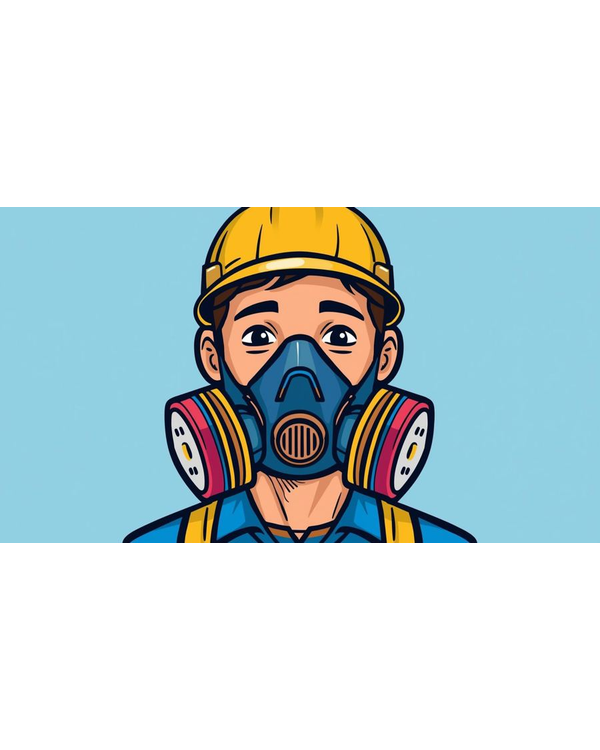
A half-mask cartridge respirator protects only with the right cartridge, a clean facepiece, and a verified seal.

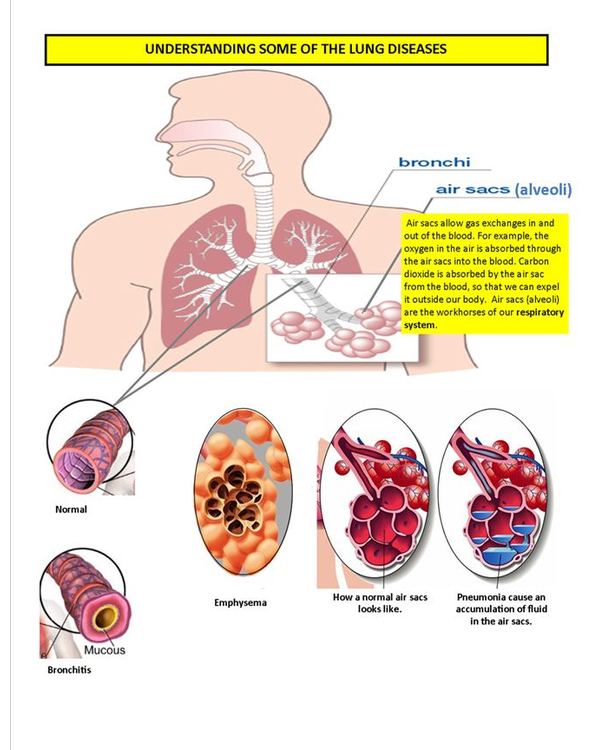
how contaminants reach the bronchial tubes and alveoli — and the diseases that follow.

OSHA compliance services Houston

healthy vs. damaged air sacs. Damaged alveoli transfer less oxygen to the blood — permanently.

Why Train With Aggie Safety

Benefits of Training with Aggie Safety

Ensure compliance
Documented annual training is a required element of 29 CFR 1910.134(k) — this course checks that box with a certificate to file.
Increase protection
Workers who understand seal checks and cartridge limits get real protection, not false confidence.
Reduce illness
Proper cleaning and storage prevent the rashes, sinus infections, and respiratory illness dirty respirators cause.
Reduce citations
Respiratory Protection is a top-5 cited standard — trained employees remove the most visible violation from your program.
Fast and practical
30–40 minutes online, written test included, certificate printed the same day.
Your Credential

Certification That Demonstrates Real Knowledge

This course was developed from more than 15 years of experience training employees on safe respirator use, and is designed to meet OSHA's classroom and written test requirements for respirator wearers.

After passing the written test, you receive a Certification of Completion to demonstrate to your employer that the training element is met. Your employer's respiratory protection program then adds the site-specific pieces: medical clearance, fit testing on your assigned make and model, and cartridge change schedules for your contaminants.

  • Certificate of Completion — downloadable and printable immediately
  • Satisfies the 1910.134(k) employee training element
  • Training record for your employer's written program file
  • Free test retakes until you pass
OSHA forklift certification online completion

Frequently Asked questions

Does this course replace fit testing or medical evaluation?
No. OSHA's respiratory protection standard requires three separate elements: medical evaluation, fit testing, and training. This course delivers the training element with documentation; your employer must still provide a medical evaluation before first use and fit testing on the specific make, model, and size of respirator you will wear.
How often does OSHA require respirator training?
Annually, and before first use. OSHA 29 CFR 1910.134(k) requires retraining at least every 12 months, and sooner if workplace conditions change, a new respirator type is introduced, or the employee shows knowledge gaps.
When can a cartridge respirator NOT be used?
A cartridge (air-purifying) respirator must never be used in IDLH atmospheres, in oxygen levels below 19.5%, in confined spaces without atmospheric testing, for contaminants with poor warning properties, or for unknown hazards. In those conditions, supplied-air respirators or SCBA are required.
Can I wear a respirator with a beard?
No — not a tight-fitting respirator. Facial hair between the sealing surface and your face breaks the seal and lets contaminated air bypass the cartridges. OSHA prohibits facial hair that interferes with the seal.
How do I know when to replace my cartridges?
Follow the cartridge change schedule in your employer's respiratory protection program, based on the contaminant, concentration, and use time — never rely on smell alone. Replace cartridges immediately if breathing becomes difficult, you detect the contaminant, or the cartridges are damaged or expired.
How long is the course?
Most students complete the course in the typical duration listed above. You can start and stop whenever it is convenient — your progress is saved, and there is no time limit to finish.
If I fail the test, do I have to pay to take it again?
No. You may retake the test as many times as you need to pass at no additional charge.
Is your course approved by OSHA?
OSHA does not formally approve any training company or material — it publishes the requirements training must cover. Our respirator training course is built to meet and exceed those OSHA training requirements.
How quickly do I get proof of completion?
Immediately. As soon as you pass the online test, you can download and print your personalized Certificate of Completion to show your employer.
Do you offer refunds?
Yes. If you purchased within the last 5 days, have not completed the course, and have not generated your certificate, you are eligible for a full refund — no questions asked. Contact our support team at info@lonestar-losscontrol.com with your order details.
Where is the certificate accepted?
The certificate is accepted in all U.S. states, and in any country that follows OSHA-based requirements, including Canada and Mexico.
Aggie Safety Logo
Your safety partner in OSHA compliance and workforce protection.
  • 6001 Savoy Dr Suite #201B, Houston, TX 77036, USA
  • 8AM – 5PM Monday – Friday
© 2026 Aggie Safety | All Rights Reserved.