OSHA Compliance & Support | Safety Inspections – Safety Audits | Cost-Effective Safety Consulting

Explosion Protection & Electrical Classifications

What is Explosion Protection and how it should be conducted?

Aggie Safety experts provide explosion protection electrical classification support for hazards associated with flammable atmospheres in a facility, including explosion likelihood assessment, hazard controls, and electrical classification requirements.
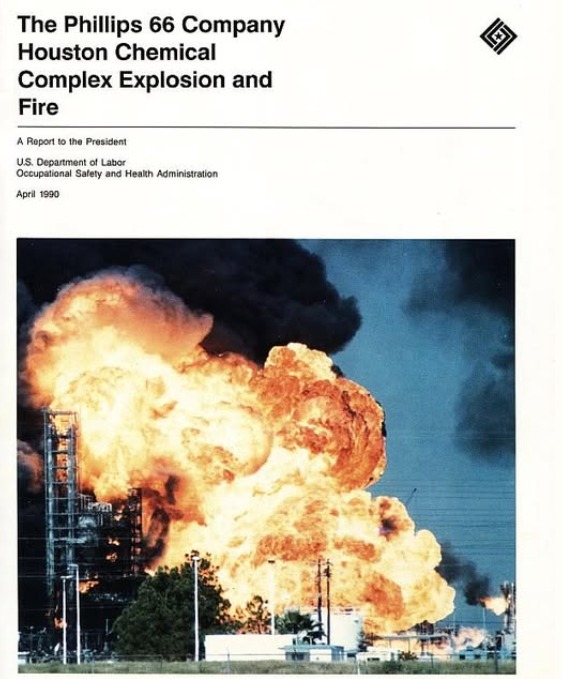
  • Explosion protection involves a systematic process to identify, evaluate, and control hazards from flammable gases, vapors, and dusts.
  • Compliance requires adhering to industry standards such as NFPA 68, 69, 70, and 77, along with OSHA 1910.307 regulations for hazardous locations.
  • Area classification (Zoning) categorizes spaces as Zone 0, 1, or 2 for gases, and Zone 20, 21, or 22 for dusts, based on the probability of an explosive atmosphere.
  • Effective mitigation strategies include explosion venting, suppression systems, mechanical isolation, and explosion-resistant equipment design.
  • Prevention focuses on two main areas: avoiding explosive atmospheres through ventilation and containment, and removing ignition sources via grounding and rated electrical equipment.
explosion protection electrical classification

Requirements of Explosion Protection

Explosion Protection is to identify, evaluate Step by Step, and control explosion hazards arising from flammable gases, vapors, dusts, or mists. Explosion Protection establishes preventive, protective, and organizational measures to reduce the likelihood and consequences of explosions, ensuring compliance with applicable regulations and industry best practices. As part of our explosion protection electrical classification services, Aggie Safety experts are well versed in implementing the following industry codes/standards:
Standard / Directive Specific Standards / Description / Notes Links
OSHA (1910.307 – Hazardous (classified) locations) Code of Federal Regulations 1910.307 – Hazardous (classified) locations. | Occupational Safety and Health Administration
RAGAGEPs like NFPA standards NFPA 68, 69, 70, 77, 654, 484, 61 Codes and standards | NFPA
ATEX Directives 2014/34/EU and 1999/92/EC where applicable Guidelines to Directive 2014/34 EU – ATEX 'Product' Directive | Safety and health at work EU-OSHA
IEC/EN 60079 series Explosive Atmospheres Standards | IECEx
Local fire codes, Fire Marshall Directives, Building Codes and insurance requirements Need compliance to run a business in a county and meet local authority requirements Use your local county Fire Marshal contact.

Example: Harris County:
Harris County Fire Marshal's Office

Hazard Identification

Presence of Explosion atmospheres in the plant

  • Flammable gases
  • Flammable vapors at temperatures above flash point
  • Combustible dusts (e.g., metal, organic, plastic dust)
  • Hybrid mixtures (dust + vapor/gas)
  • Ignition Sources
    • Electrical equipment
    • Hot surfaces
    • Mechanical sparks
    • Static electricity
    • Open flames and hot work

Explosion Risk Assessment

A formal risk assessment shall be conducted to:

  • Determine the likelihood of an explosive atmosphere depending upon continuous, less frequent OR only Process malfunctions/upsets
  • Identify frequency and duration of exposure
  • Evaluate potential ignition sources
  • Assess potential explosion consequences (overpressure, flame, projection)

Safety teams must document all assessment results and reviewed periodically or upon process change.

Explosion Prevention Measure

    Avoidance of Explosive Atmospheres

  • Substitution with non-flammable materials where feasible
  • Process enclosure and containment
  • Adequate ventilation (natural or mechanical)
  • Dust control and housekeeping programs

    Avoidance of Ignition Sources

  • Use of appropriately rated electrical equipment (Ex-rated)
  • Temperature control and monitoring
  • Static control: bonding, grounding, conductive materials
  • Hot work permitting and control.

Area Classification (Zoning)

Areas shall be classified based on the probability of explosive atmospheres:

GAS / VAPOR HAZARD ZONES (0, 1, 2)

  • These apply where flammable gases or vapors (like propane, methane, solvents, hydrogen) could mix with air.
  • Safety teams must document all assessment results and reviewed periodically or upon process change.
Zone How Often Explosive Gas Atmosphere Exists Typical Locations Risk Level
Zone 0 Present continuously or for long periods Inside tanks, fuel storage vessels, reactor interiors Highest
Zone 1 Likely during normal operation Around pump seals, valve flanges, sampling points Medium
Zone 2 Not likely in normal operation, and if it occurs, only briefly Areas adjacent to Zone 1; well-ventilated spaces where leaks are rare

COMBUSTIBLE DUST HAZARD ZONES (20, 21, 22)

  • These apply where combustible dust (grain, sugar, flour, aluminum, plastic, coal, etc.) can form explosive clouds.
Zone How Often Explosive Gas Atmosphere Exists Typical Locations Risk Level
Zone 20 Present continuously or for long periods Inside tanks, fuel storage vessels, reactor interiors Highest
Zone 21 Likely during normal operation Around pump seals, valve flanges, sampling points Medium

Electrical Area Classifications (NEC Class/Division System)

This table summarizes hazardous (classified) location definitions commonly used in North America under the National Electrical Code (NEC) Class/Division system (Article 500). Always confirm the applicable code edition and authority having jurisdiction (AHJ) requirements for your site.

Classification Hazard Type Definition
Ordinary / Unclassified Not classified No hazard is expected from flammable gases/vapors, combustible dusts, or ignitable fibers/flyings in quantities sufficient to produce an ignitable atmosphere under normal or abnormal conditions.
Class I, Division 1 Gases / vapors Ignitable concentrations of flammable gases or vapors can exist under normal operating conditions, or may exist frequently because of repair/maintenance or leakage, or because of equipment/process that can release the hazard during normal operation.
Class I, Division 2 Gases / vapors Flammable gases or vapors are normally confined in closed systems/containers and would be present in ignitable concentrations only under abnormal conditions (e.g., accidental rupture, breakdown, or unusual equipment failure).
Class II, Division 1 Combustible dust Combustible dust is (or may be) in suspension in the air under normal operating conditions in quantities sufficient to produce explosive or ignitable mixtures, or mechanical failure/abnormal operation could produce such mixtures and provide an ignition source.
Class II, Division 2 Combustible dust Combustible dust is not normally in suspension in ignitable concentrations, and dust accumulations are normally insufficient to interfere with equipment heat dissipation; dust may be present due to abnormal conditions.
Class III, Division 1 Fibers / flyings Ignitable fibers/flyings are handled, manufactured, or used under normal operating conditions.
Class III, Division 2 Fibers / flyings Ignitable fibers/flyings are stored or handled but are not likely to be in the air in a way that produces ignitable mixtures under normal operation.

Hazardous Location Groups (NEC Article 500)

These apply where combustible dust (grain, sugar, flour, aluminum, plastic, coal, etc.) can form explosive clouds.

Note: Examples above are representative (not exhaustive). Group selection depends on the actual gas/vapor or dust characteristics at the site (including ignition properties), and the final classification is determined by the authority having jurisdiction (AHJ) and applicable code edition.

Class Group Typical Materials / Examples
Class I A Acetylene
Class I B Hydrogen; manufactured gas
Class I C Ethylene; ether; cyclopropane
Class I D Propane; gasoline vapors; butane; alcohols; natural gas
Class II E Metal dusts (e.g., aluminum, magnesium and their commercial alloys)
Class II F Carbonaceous dusts (e.g., carbon black, charcoal, coal/coke dust)
Class II G Grain and other combustible dusts (e.g., flour, starch, grain dust, plastic dust, chemicals)

Temperature Codes (T-Codes) — Maximum Surface Temperature

T-codes (temperature codes) specify the maximum surface temperature that equipment is permitted to reach. To be acceptable, the equipment’s marked T-code must be below the autoignition temperature of the gas/vapor or dust present (and within the equipment’s marked ambient temperature range, if shown).

Note: Examples above are representative (not exhaustive). Group selection depends on the actual gas/vapor or dust characteristics at the site (including ignition properties), and the final classification is determined by the authority having jurisdiction (AHJ) and applicable code edition.

T-Code Max Surface Temp (°C) Max Surface Temp (°F) T-Code Max Surface Temp (°C) Max Surface Temp (°F)
T1450°C842°FT3A180°C356°F
T2300°C572°FT3B165°C329°F
T2A280°C536°FT3C160°C320°F
T2B260°C500°FT4135°C275°F
T2C230°C446°FT4A120°C248°F
T2D215°C419°FT5100°C212°F
T3200°C392°FT685°C185°F
T-Code Max Surface
Temp (°C)
Max Surface
Temp (°F)
T1450°C842°F
T2300°C572°F
T2A280°C536°F
T2B260°C500°F
T2C230°C446°F
T2D215°C419°F
T3200°C392°F
T3A180°C356°F
T3B165°C329°F
T3C160°C320°F
T4135°C275°F
T4A120°C248°F
T5100°C212°F
T685°C185°F

Selection reminder: Equipment markings must match the Class/Division (or Zone) and Group and have an appropriate T-code. For dust locations, the nameplate may show a temperature in °C (e.g., T135°C) rather than a T-code.

Explosion Protection (Mitigation) Measures

Ensure adequacy of relief devices (PSVs/PRDs), associated piping, and disposal systems with current operating conditions, codes, and regulations.

Explosion Venting

  • Explosion relief panels or rupture disks or vents are designed as per NFPA 68 guidance.
  • Ensure that fireballs are vented to a safe location as per NFPA guidance, backed up with facility procedures and training.

Explosion Suppression

  • Detection by means of parameters like pressure etc and rapid activation of suppression systems 
  • Regular testing and maintenance

Explosion
Isolation

  • Mechanical isolation devices like flashback prevention devices like Flame arresters, Detonation Arresters correctly designed, installed and maintained. Many competent vendors provide these devices like Protego, Protectoseal, etc.

Containment (Explosion-Resistant Design)

  • Equipment designed to withstand maximum explosion pressure – P(reduced pressure)

Frequently Asked questions

Answers to the most common questions about OSHA compliance, safety training, and working with Aggie Safety.
What are the different zones in electrical area classification?
Areas are classified into zones based on how often an explosive atmosphere is likely to occur. For gases and vapors, Zone 0 represents a continuous presence, Zone 1 is for likely occurrences during normal operations, and Zone 2 is for infrequent or short-term presence. Dust classifications follow a similar logic with Zones 20, 21, and 22.
Which industry standards govern explosion prevention and protection?
Key standards include NFPA 68 for venting, NFPA 69 for prevention systems, and NFPA 70 (the National Electrical Code). Other important guidelines come from NFPA 497 and 499 for hazardous locations, as well as API 500 and 505 for petroleum facilities.
How do you mitigate the risk of an explosion in a facility?
Risk mitigation uses several layers of defense. These include installing explosion relief panels to vent pressure safely, using suppression systems that detect pressure rises, and employing mechanical isolation like flame arresters. Designing equipment to withstand maximum explosion pressure is another common method.
What are the main sources of ignition in industrial settings?
Common ignition sources include electrical equipment, hot surfaces, and mechanical sparks from moving parts. Static electricity is a significant risk that requires bonding and grounding. Open flames or hot work also present immediate hazards in areas with flammable materials.
Why is an explosion risk assessment necessary?
A formal assessment helps determine the frequency and duration of exposure to explosive atmospheres. It evaluates specific ignition sources and predicts the potential consequences of an incident. Documenting these results is a requirement for maintaining regulatory compliance and ensuring safety during process changes.
What is a Class I Division 1 location?
A Class I Division 1 location is an area where flammable gases or vapors are present in ignitable concentrations under normal operating conditions. Defined under NFPA 70 and OSHA 29 CFR 1910.303, all electrical equipment in these areas must be specifically rated for hazardous use to prevent ignition. Common examples include pump rooms, chemical processing areas, and spaces near open containers of flammable liquids.
When is hazardous area classification required?
Hazardous area classification is required any time a facility handles, stores, or processes flammable gases, vapors, combustible dusts, or ignitable materials that could create an explosive atmosphere. Under OSHA 29 CFR 1910.119 and NFPA 70, facilities must classify these areas to determine what electrical equipment and controls can be safely installed and operated — typically triggered during new construction, equipment changes, or when a new hazardous material is introduced to a process.
Aggie Safety Logo
Your safety partner in OSHA compliance and workforce protection.
  • 6001 Savoy Dr Suite #201B, Houston, TX 77036, USA
  • 8AM – 5PM Monday – Friday
© 2026 Aggie Safety | All Rights Reserved.